
Which U.S. States Will Offer Tax-Free Apple Purchases in 2026?
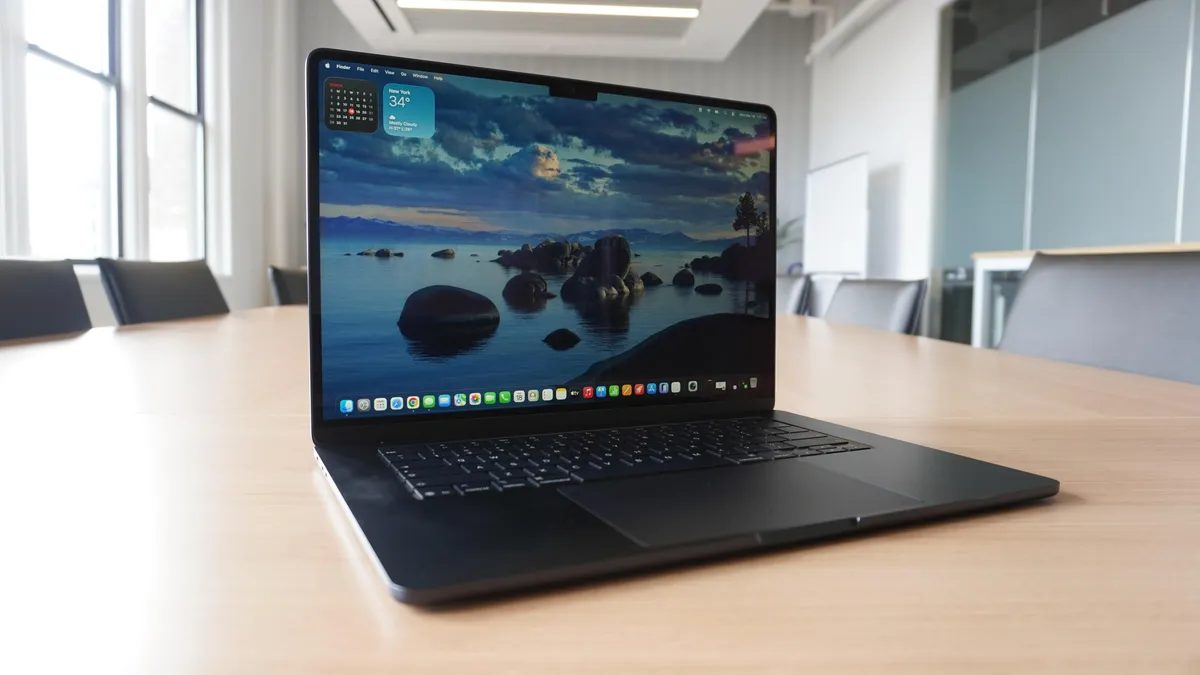
Photo: ZDNet
Quick answer
In 2026, eight U.S. states (Alabama, Arkansas, Massachusetts, Missouri, New Mexico, Tennessee, Virginia, and West Virginia) will offer tax-free shopping on Apple products.
In 2026, residents of eight U.S. states will have the opportunity to purchase Apple products without paying sales tax. The promotion, timed to coincide with back-to-school season, covers devices such as iPhones, Macs, iPads, and accessories. However, not everyone will qualify: most states impose price and product assortment restrictions.
Tax-free shopping will take place in Alabama (July 17–19), Arkansas (August 1–2), Massachusetts (August 8–9), Missouri (August 7–9), New Mexico (July 31–August 2), Tennessee (July 31–August 2), Virginia (August 7–9), and West Virginia (July 31–August 3). In some regions, like Virginia, the exemption applies only to smartphone chargers and batteries priced under $60. In Massachusetts, any item under $2,500 is tax-free, but exceeding the limit triggers tax on the full purchase amount.
Apple has recently raised prices on its products due to surging component costs and logistics expenses. Analysts report that iPad and MacBook prices have increased by 15–25% compared to last year. While tax holidays may offset some of these costs, they are limited to specific states. Experts suggest the promotion could gain more traction if held in September, when new iPhone models are expected to launch.
Common questions
- Which U.S. states offer tax-free Apple purchases in 2026?
- Eight states—Alabama, Arkansas, Massachusetts, Missouri, New Mexico, Tennessee, Virginia, and West Virginia—will waive sales tax on Apple products in 2026. Eligibility and dates vary by state.
- What Apple devices qualify for tax-free purchases?
- Eligible items include iPhones, Macs, iPads, and accessories like keyboards, mice, Apple Pencil, monitors, and other peripherals. However, price limits and specific conditions apply in each state.
- Why is Apple raising prices on its products?
- Price hikes stem from rising component costs, particularly memory chips, and supply chain disruptions. Manufacturers are passing these expenses to consumers to maintain profitability.
Dzen feed: /feed/dzen.xml · RSS: /feed.xml