
Virtual Power Plants: How to Join and Whether It's Worth It
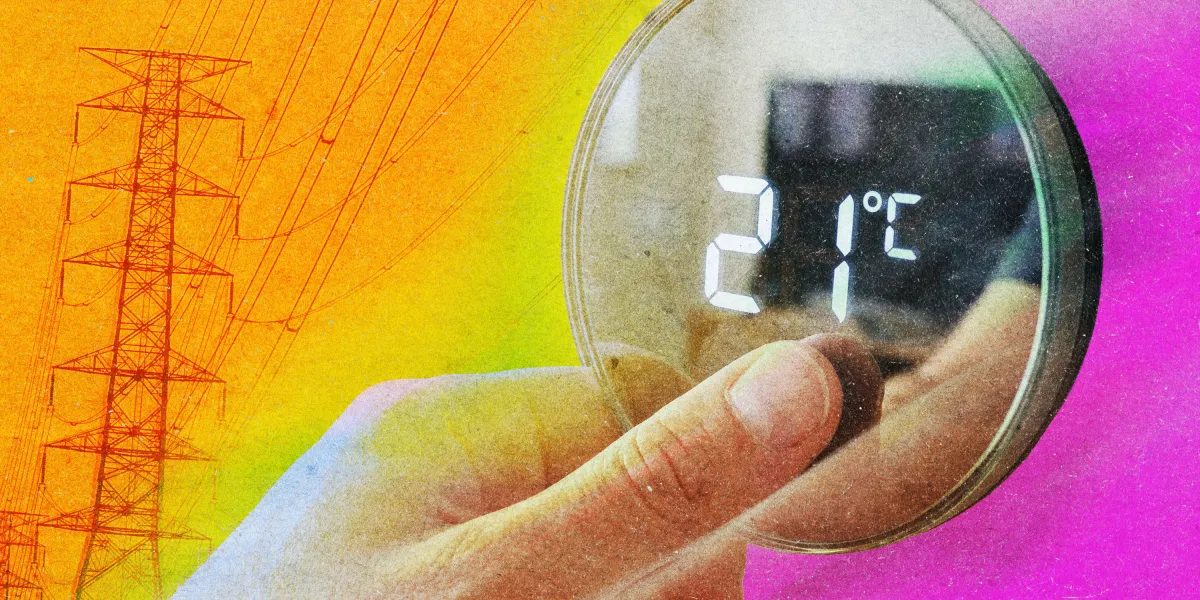
Photo: MIT Technology Review
Quick answer
Virtual Power Plants (VPPs) help reduce electricity bills by managing smart home devices. Learn how to join and evaluate benefits in our guide.
Virtual Power Plants (VPPs) are gaining traction as a tool for optimizing energy consumption, particularly amid rising electricity demand. The technology aggregates smart home devices—thermostats, EV charging stations, home batteries, and solar panels—into a unified network managed by utility companies. During peak load hours, VPPs temporarily reduce energy consumption in participating households, mitigating grid overload risks and preventing blackouts.
In return, participants receive financial incentives: electricity bill discounts or one-time bonuses. According to EnergyHub, enrolling a smart thermostat can yield $50–$150 upfront, followed by $25–$50 annually. Owners of home batteries or EVs may earn hundreds or thousands of dollars per year. The collective impact is substantial: even minor reductions in each home, multiplied across hundreds of thousands of participants, equate to the output of a full-scale power plant.
Experts note that VPPs not only cut energy costs but also delay the need for new power infrastructure. However, successful implementation requires precise load forecasting. Without it, utilities risk overcompensating participants for unused energy, ultimately driving up costs for other consumers. When properly structured, VPPs emerge as a critical tool for sustainable energy supply, especially in high-demand regions.
To join a VPP program, first verify whether your utility supports it. Check the company’s website or your device manufacturer’s app to confirm compatible models. Pay attention to terminology—alternative phrases like 'demand response,' 'peak rewards,' or 'smart thermostat rewards' may be used. If your device qualifies, follow the utility’s or manufacturer’s registration instructions.
Common questions
- What is a Virtual Power Plant (VPP)?
- A VPP is a network of smart home devices (thermostats, EV chargers, batteries) that utilities can temporarily adjust or shut down during peak hours to reduce grid strain.
- What benefits does VPP participation offer?
- Participants receive electricity bill discounts or one-time bonuses. For example, smart thermostats may yield up to $150 at signup and $25–$50 annually, while batteries or EVs can generate hundreds or thousands of dollars per year.
- How can I check if my utility supports VPP programs?
- Visit your utility’s website or check the device manufacturer’s app. Search for terms like 'demand response,' 'peak rewards,' or 'smart thermostat rewards' to confirm compatibility.
Dzen feed: /feed/dzen.xml · RSS: /feed.xml