
Waymo Launches Budget-Friendly Ojai Robotaxis in Three U.S. Cities
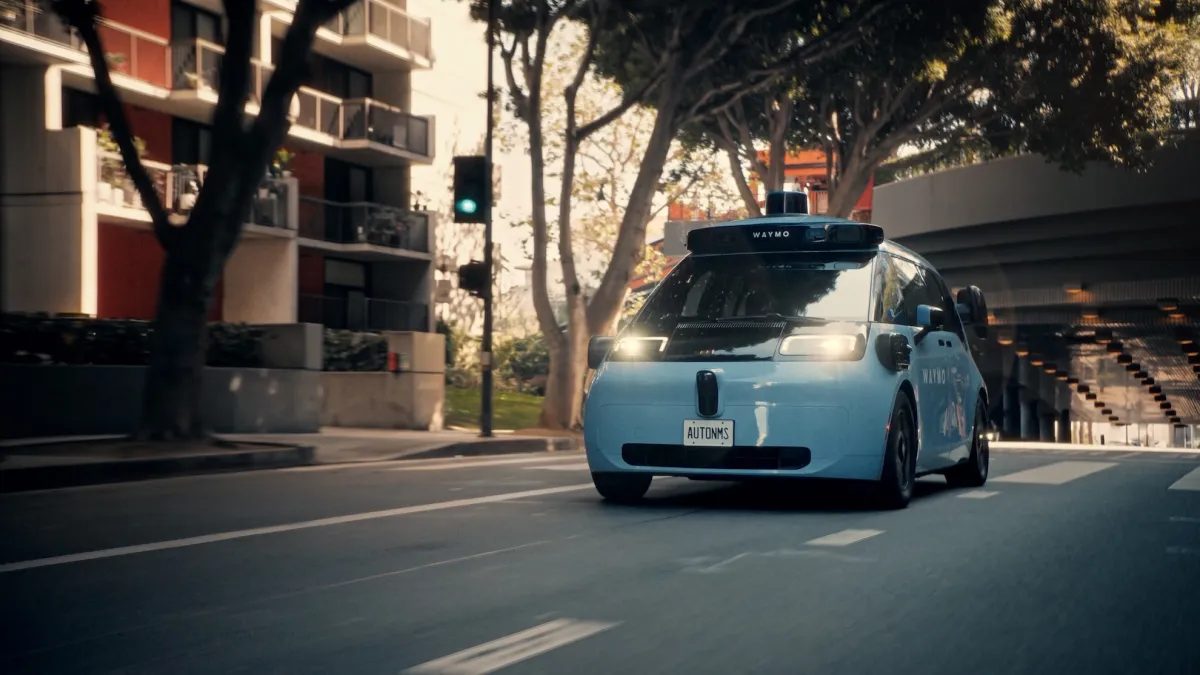
Photo: TechCrunch
Quick answer
Waymo has rolled out its new Ojai robotaxis in three U.S. cities to cut costs and accelerate business scaling.
Alphabet’s Waymo has begun mass deployment of its new Ojai robotaxis in three major U.S. cities: Los Angeles, Phoenix, and San Francisco. Developed in collaboration with Chinese automaker Zeekr, the model is positioned as a more cost-effective alternative to the previous generation based on the Jaguar I-Pace.
Ojai is built on the Zeekr SEA-M platform, specifically adapted for autonomous vehicles. The car features Waymo’s sixth-generation autonomous driving system and a Google Gemini-based AI assistant to assist passengers during rides. According to the company, the new model not only reduces production costs but also simplifies maintenance, which is critical for commercial scalability.
Despite its advantages, Waymo faces additional expenses due to import tariffs on vehicles assembled in China. Analysts predict that by the end of 2026, the Ojai fleet could exceed 5,000 units—more than double the current Jaguar fleet. In July 2024, 725 Ojai vehicles were imported to the U.S., reflecting the company’s ambitious expansion plans.
Common questions
- How does the new Ojai robotaxi differ from previous Waymo models?
- Ojai is cheaper to produce and maintain, built on Zeekr’s SEA-M platform, and equipped with Waymo’s sixth-generation autonomous driving system featuring Google Gemini AI assistance.
- In which cities is the Ojai robotaxi currently available?
- Ojai is now available in Los Angeles, Phoenix, and San Francisco, with plans to launch in Denver, Las Vegas, and San Diego by the end of 2024.
- How will import tariffs affect Ojai’s pricing?
- High tariffs on Chinese-built vehicles increase Waymo’s costs, but the company expects economies of scale to offset these expenses.
Dzen feed: /feed/dzen.xml · RSS: /feed.xml