
Waymo Develops Virtual Driver to Test Reactions to Road Surprises
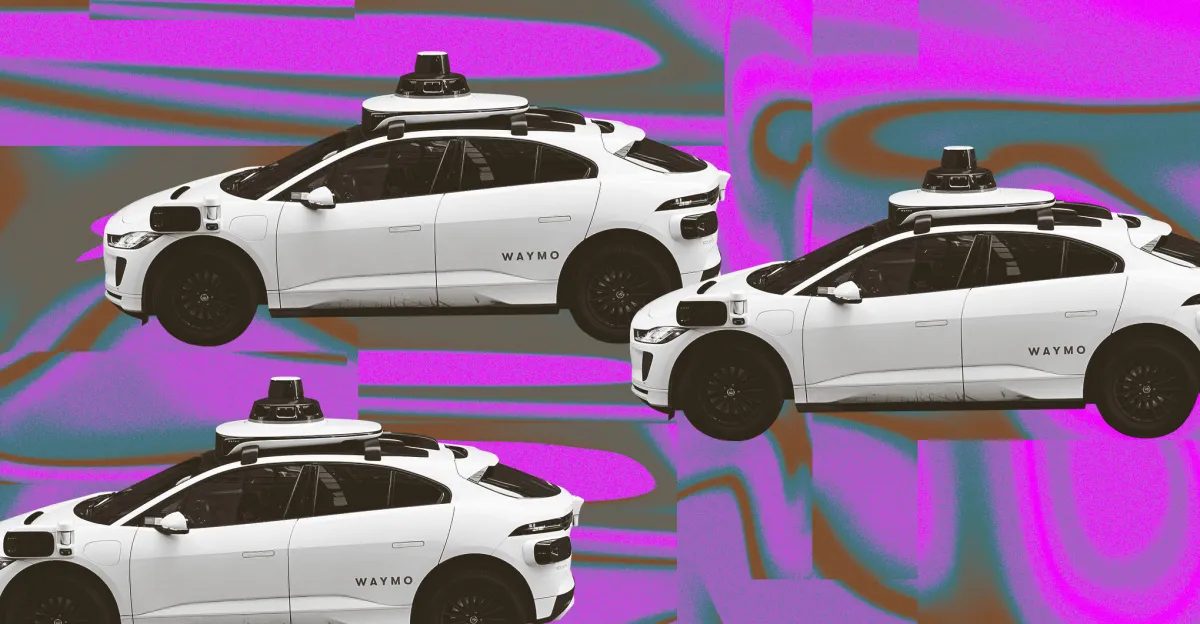
Photo: The Verge
Quick answer
Waymo developed the ReD cognitive model to simulate human reactions to road surprises, enhancing the safety of autonomous vehicles.
Alphabet-owned Waymo has introduced a new cognitive model, ReD (Reference Driver), which simulates human driver behavior in unexpected road scenarios. Published in Nature Communications, the research details how the model helps evaluate the safety of autonomous transport systems by comparing their reactions to human responses.
ReD is grounded in the principle of active inference—a neuroscience concept where the brain seeks to minimize surprises. The model incorporates human perception traits, such as assessing the speed of approaching objects and reacting to traffic rule violations. It also replicates the 0.2-second delay in switching between the gas and brake pedals, a characteristic of real drivers.
According to Waymo’s Chief Safety Officer Mauricio Peña, the ReD model will serve as a critical tool for establishing unified safety standards in the autonomous vehicle industry. The company collaborates with regulators, researchers, and organizations like SAE to make this technology publicly accessible. The model’s code has already been released open-source for testing.
ReD’s development aligns with Waymo’s strategy to create scientifically validated approaches to autonomous system safety. Previously, the company built virtual environments for testing vehicles in extreme conditions, now emphasizing human behavior simulation behind the wheel.
Common questions
- What is Waymo's ReD model?
- ReD is a computer model that simulates human driver behavior in critical situations, helping assess the safety of autonomous vehicles by comparing their reactions to human responses.
- What is the foundation of the ReD model?
- The model is based on the neuroscience principle of active inference, which explains how the brain minimizes surprises during decision-making.
- Why did Waymo open-source the ReD model?
- The company aims to establish unified safety standards for autonomous vehicles and engage researchers, regulators, and industry organizations in this effort.
Dzen feed: /feed/dzen.xml · RSS: /feed.xml